Roof & Watt
Optimal Thermostat Settings for Fall According to HVAC Experts
Discover the best thermostat settings for fall to balance comfort and energy efficiency.
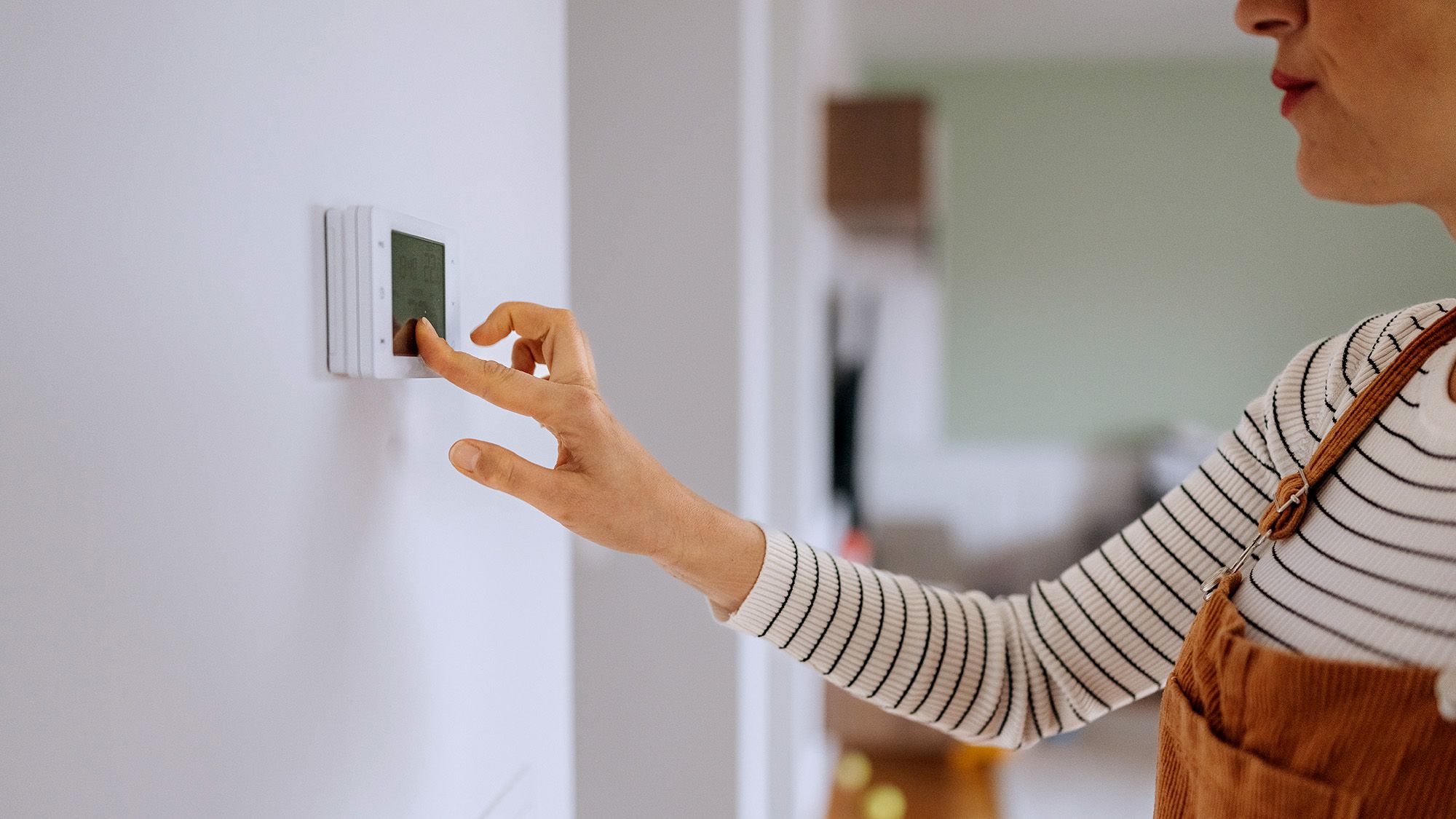
The Best Temperature to Set Your Thermostat This Fall: Insights from an HVAC Expert
As autumn settles in and temperatures begin to drop, many homeowners are left wondering how to balance comfort and energy efficiency. According to HVAC experts, finding the right thermostat setting is crucial for maintaining a cozy home without incurring high heating costs. Here’s a closer look at the ideal thermostat settings for fall.
The Ideal Thermostat Setting
Experts recommend setting your thermostat to 68 degrees Fahrenheit when you are at home. This temperature provides a balance between comfort and energy efficiency, making it an ideal choice for those chilly fall days. During the night or when you are away from home, consider lowering the temperature to 60 to 65 degrees Fahrenheit. This adjustment can lead to significant energy savings.
Benefits of a Scheduled Heating Program
Many people find themselves adjusting their thermostats manually throughout the day. However, implementing a heating schedule can be a game changer. By programming your thermostat, you can ensure that your home remains comfortable during peak hours while conserving energy when it's not needed.
- Morning Comfort: Set the thermostat to warm up your home shortly before you wake up.
- Daytime Efficiency: Lower the temperature during work hours or when no one is home.
- Evening Warmth: Gradually raise the temperature in the evening when you return home.
- Nighttime Rest: Lower the temperature while you sleep for a more comfortable night's rest.
Understanding Energy Efficiency
Finding the right thermostat setting is not just about comfort; it’s also about energy efficiency. The U.S. Department of Energy suggests that for every degree you lower your thermostat during the winter months, you can save about 1% on your heating bill. This means that by setting your thermostat to the recommended temperatures, you can reduce your energy usage significantly.
Additional Tips for Fall Heating
In addition to setting your thermostat correctly, there are several other strategies to enhance your home’s heating efficiency:
- Seal Leaks: Check windows and doors for drafts and seal any leaks to prevent heat loss.
- Insulate Your Home: Ensure your home is properly insulated, particularly in the attic and basement.
- Maintain Your Heating System: Schedule regular maintenance checks for your heating system to ensure it operates efficiently.
- Use Ceiling Fans: Reverse your ceiling fan direction to push warm air down from the ceiling.
Final Thoughts
As the leaves change and temperatures drop, setting your thermostat to the optimal temperature can help keep your home comfortable while saving on energy costs. By following the guidance of HVAC experts and implementing a heating schedule, homeowners can enjoy a cozy fall season without the worry of high energy bills.
“Finding the right thermostat setting is essential not only for comfort but also for energy efficiency,” says an HVAC expert. “A little adjustment can lead to significant savings.”
Sources & reporting
This article was prepared with AI assistance from the sources above. Read our editorial policy.